An educational resource exploring dietary components that support daily wellness and active lifestyles.
Educational content only. No promises of outcomes.
Natural dietary components encompass a broad spectrum of nutrients found in whole foods. These include vitamins, minerals, proteins, healthy fats, and fiber that contribute to overall nutrition.
Understanding how different nutrients function in the body can help individuals make informed decisions about their daily food choices. This knowledge forms the foundation of nutritional literacy.
Men's nutritional needs vary based on age, activity level, and individual circumstances. A diverse diet incorporating various food groups typically provides a wide range of beneficial nutrients.


Vitamins are organic compounds that the body requires in small amounts for various metabolic processes. They are classified into water-soluble and fat-soluble categories, each with distinct characteristics.
Water-soluble vitamins, such as vitamin C and B-complex vitamins, are not stored in the body and need regular replenishment through diet. Fat-soluble vitamins including A, D, E, and K can be stored in body tissues.
A balanced diet rich in fruits, vegetables, whole grains, and lean proteins typically provides adequate vitamin intake for most individuals.
Minerals are inorganic elements that play crucial roles in numerous bodily functions. Major minerals like calcium, magnesium, and potassium are required in larger amounts, while trace minerals such as zinc, iron, and selenium are needed in smaller quantities.
These minerals contribute to bone health, fluid balance, nerve transmission, and enzyme function. They are found naturally in a variety of foods including dairy products, leafy greens, nuts, seeds, and whole grains.
Different minerals work synergistically in the body, emphasizing the importance of consuming a diverse range of nutrient-dense foods rather than focusing on individual nutrients in isolation.
Proteins, carbohydrates, and fats form the foundation of daily caloric intake. Each macronutrient serves distinct purposes in energy production, tissue repair, and hormonal regulation.
Vitamins and minerals, though required in smaller amounts, are essential for metabolic processes, immune function, and cellular health throughout the body.
Adequate water intake supports digestion, nutrient transport, temperature regulation, and virtually every physiological process in the human body.
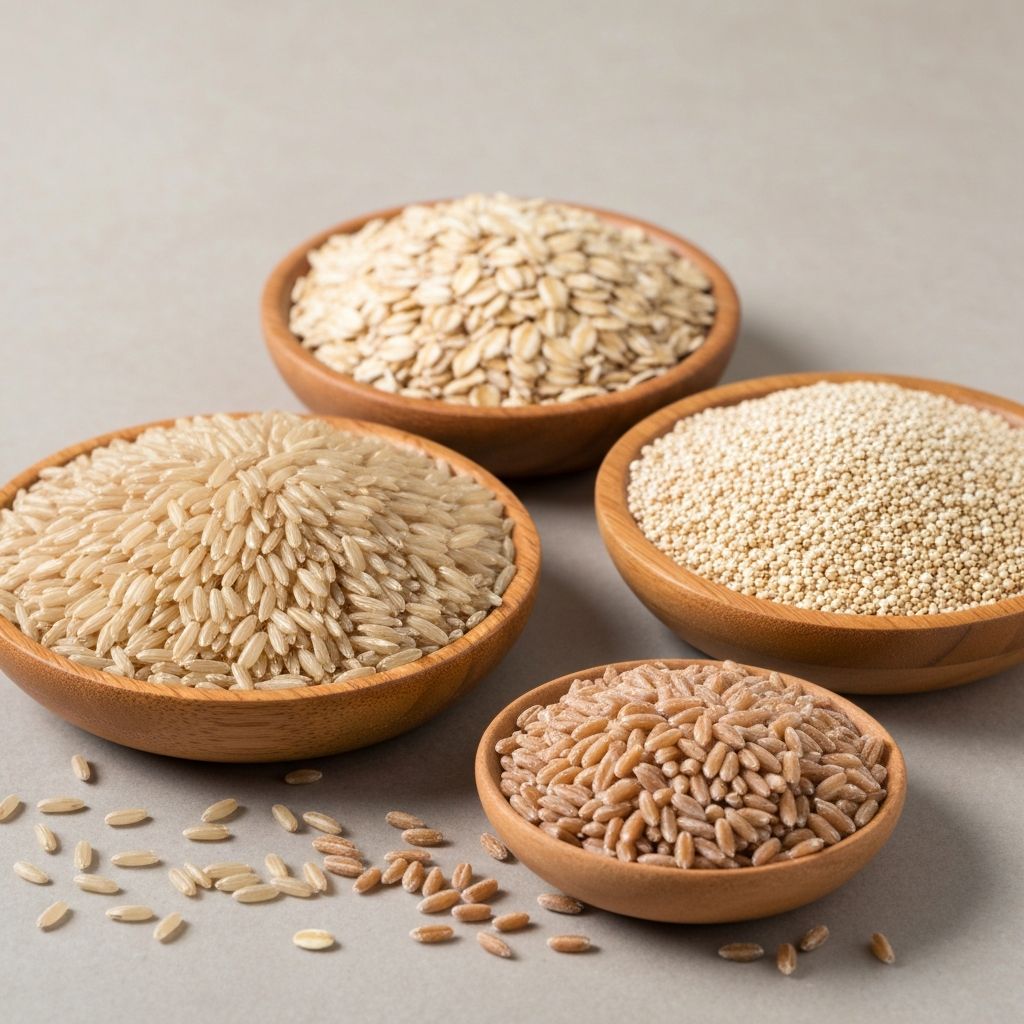
Whole grains such as oats, brown rice, quinoa, and whole wheat contain fiber, B vitamins, and minerals. They provide sustained energy and support digestive health.
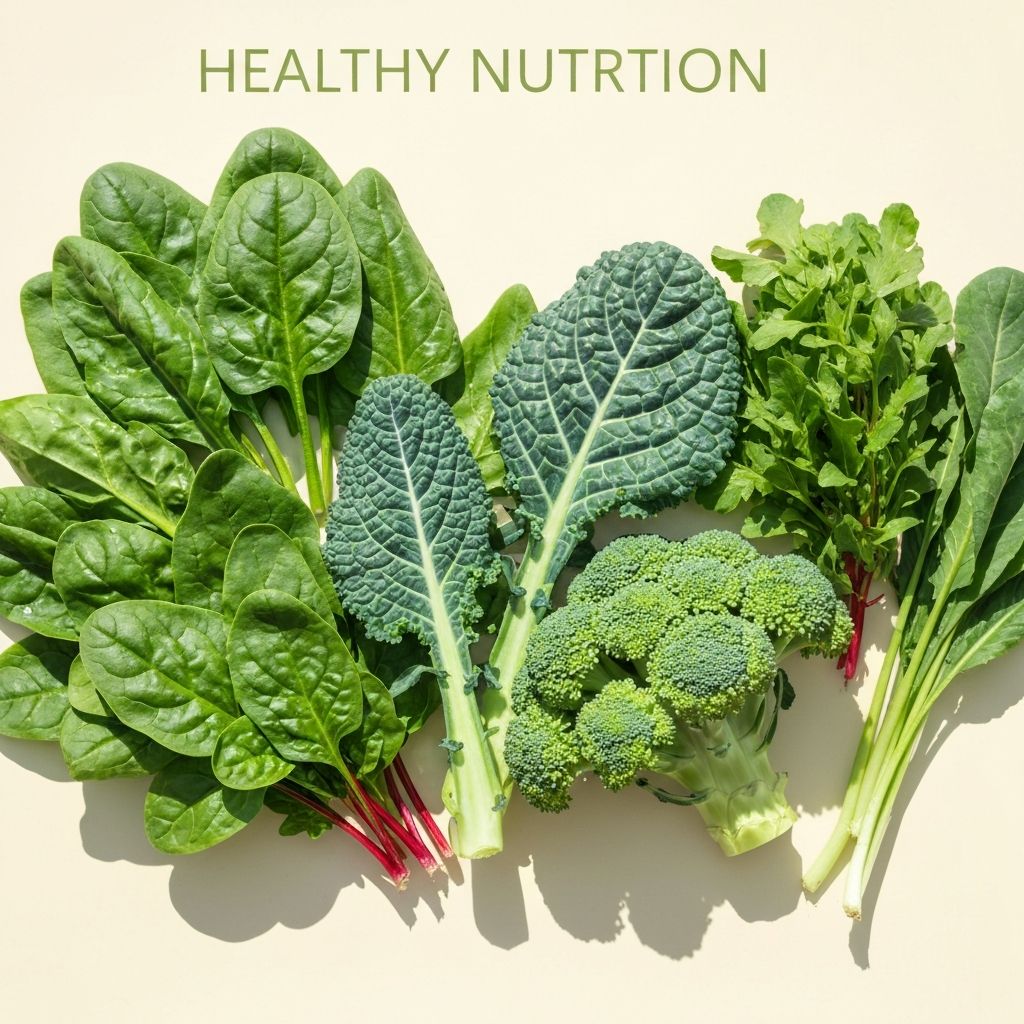
Vegetables like spinach, kale, and broccoli are rich in vitamins A, C, K, folate, and minerals. They offer antioxidants and phytonutrients that support overall health.
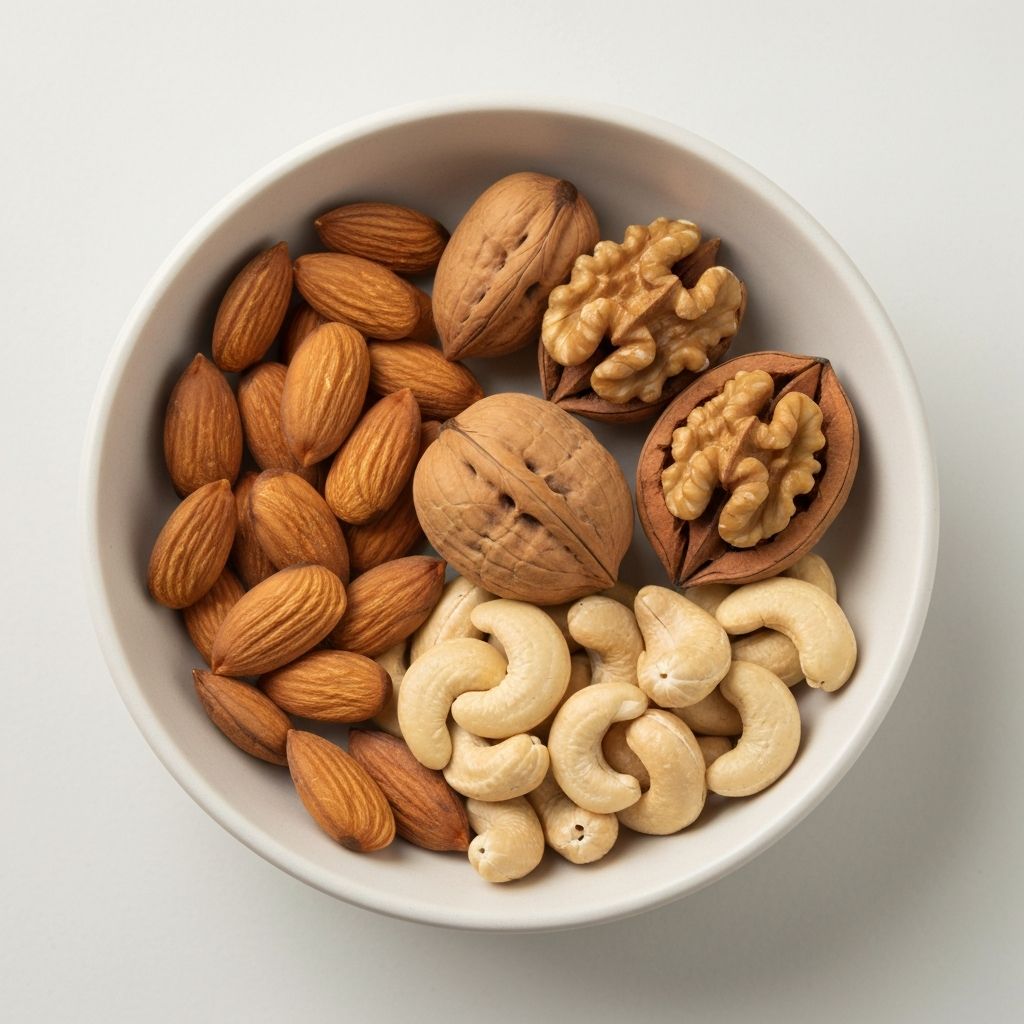
Almonds, walnuts, chia seeds, and flaxseeds provide healthy fats, protein, fiber, and various micronutrients including vitamin E, magnesium, and zinc.
Learn more about natural nutrition
Fatty fish like salmon, sardines, and mackerel contain omega-3 fatty acids, which are essential fats that the body cannot produce on its own and must obtain from diet.
Learn more about natural nutrition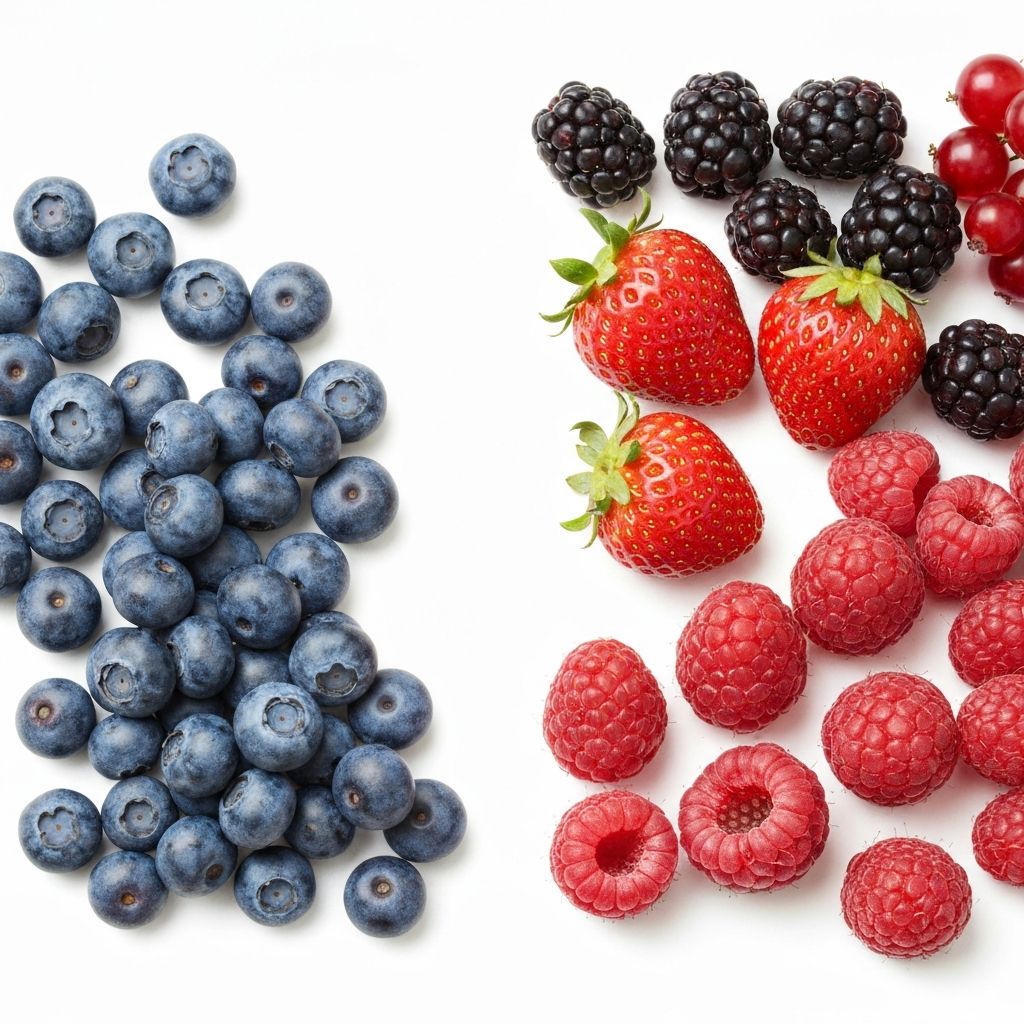
Blueberries, strawberries, and other fruits are natural sources of vitamins, fiber, and antioxidants that contribute to a balanced dietary pattern.
Learn more about natural nutritionNutrition is one component of overall wellness. Other factors including physical activity, sleep quality, stress management, and social connections also contribute significantly to health outcomes.
Regular physical activity supports cardiovascular health, muscle maintenance, and metabolic function. Different types of exercise, from strength training to aerobic activities, offer various benefits.
Sleep patterns, stress levels, and daily routines all interact with nutritional status. A holistic approach to wellness considers multiple lifestyle factors rather than focusing exclusively on diet.
Nutritional science continues to evolve as researchers study the complex relationships between diet, metabolism, and health outcomes. Current evidence supports the consumption of minimally processed whole foods.
Studies consistently demonstrate associations between dietary patterns rich in fruits, vegetables, whole grains, lean proteins, and healthy fats with various health markers.
Scientific understanding of nutrition emphasizes overall dietary patterns rather than individual foods or nutrients in isolation. Context and balance are key principles in nutritional science.
No single food or nutrient can dramatically transform health outcomes. Nutrition works through consistent patterns over time, with benefits arising from the cumulative effect of dietary choices.
Unless specific medical conditions or allergies exist, most individuals benefit from dietary diversity rather than rigid elimination of entire food groups. Moderation and balance are generally more sustainable approaches.
Dietary fats are essential nutrients. Unsaturated fats found in foods like avocados, olive oil, nuts, and fish play important roles in hormone production, nutrient absorption, and cellular function.
Reading and interpreting nutritional information helps individuals make informed food choices. Food labels provide details about caloric content, macronutrient composition, and micronutrient presence.
Understanding serving sizes, ingredient lists, and nutritional claims enables better evaluation of food products. This literacy supports autonomous decision-making about dietary choices.
This website provides general educational information about nutrition and dietary components. The content is not intended as personalized advice, medical guidance, or recommendations for specific individuals.
Nutritional needs vary greatly based on individual factors including age, health status, activity level, and personal circumstances. Information presented here describes general concepts and should not replace consultation with qualified healthcare or nutrition professionals.
Dietary approaches are diverse, and what works well for one person may differ for another. We encourage readers to view this information as one resource among many in their nutritional education journey.
Explore more information about natural dietary components and wellness approaches.
Read more
Expanding nutritional knowledge involves consulting diverse, evidence-based sources. Scientific journals, government health agencies, and accredited educational institutions provide reliable information.
Critical evaluation of nutritional information is important, as not all sources maintain equal standards of evidence. Looking for references to peer-reviewed research and qualified expertise helps assess information quality.
Continuous learning about nutrition empowers individuals to make informed decisions aligned with their personal values, circumstances, and wellness goals.